









This guide helps you pick the best puppy yoga classes in Canggu and Uluwatu, explaining what to expect, how to book, and how activities are ranked on platforms like GetYourGuide so you can choose confidently. Pay attention to customer ratings, availability, diversity of offerings, and supplier performance; higher visibility often reflects popularity and consistent quality, though listings are algorithmic and can change. Bring water, wear yoga-friendly clothes, and arrive early to secure your spot.
What Is Puppy Yoga in Bali?
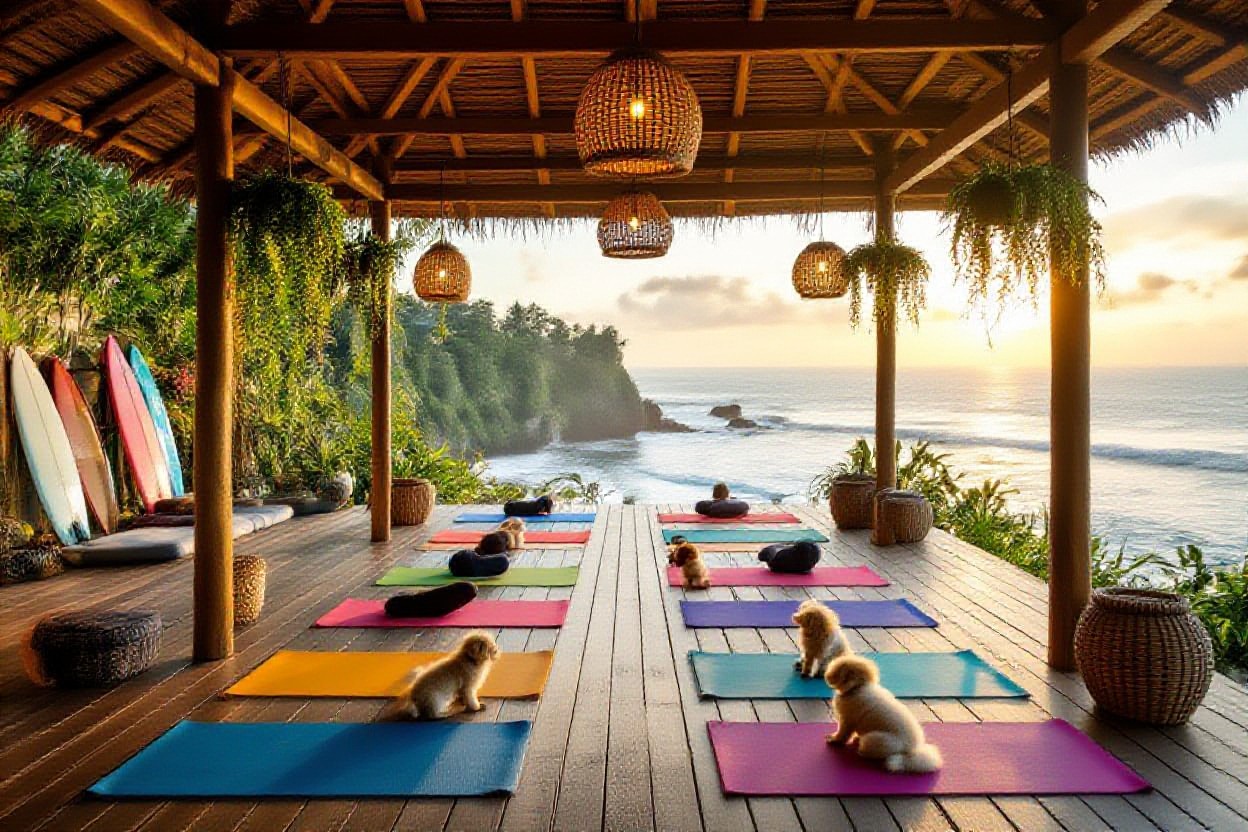
You attend a guided yoga session where playful puppies roam the mat area, interrupt poses, and invite interaction while an instructor leads a gentle, accessible sequence. In Bali-especially in Canggu and Uluwatu-sessions are often 45-60 minutes long, held in outdoor shalas, beachfront villas, or purpose-built studios, with class sizes commonly kept to 8-12 participants so the animals aren’t overwhelmed.
These events blend light movement with animal-assisted interaction: you’ll move through modified sun salutations and restorative poses, but expect frequent pauses for puppy play and rest periods for the animals. When booking through platforms like GetYourGuide, you can use customer ratings, availability, and popularity metrics to choose classes that emphasize good animal care and consistent quality.
Definition of Puppy Yoga
Puppy yoga is a hybrid experience that pairs low-impact yoga sequences-mostly restorative and beginner-friendly vinyasa-with supervised puppy interaction; the emphasis is on presence and play rather than advanced alignment. You’ll find puppies typically between 8 and 16 weeks old, introduced gradually so you can pet, pick up, or play with them during designated breaks rather than throughout every posture.
Many Bali operators frame sessions as both a visitor experience and a socialization opportunity for the dogs: some classes are run in partnership with local rescues or shelters, which means you might see adoption information or volunteer-run handlers on site. Check listing details and customer reviews to confirm whether a studio supports rescue programs and follows responsible animal-welfare practices.
The Concept Behind Puppy Yoga
The core idea is to combine the physiological benefits of light yoga-improved breathing, gentle mobility-with the mood-enhancing effects of interacting with animals, such as lower stress and increased oxytocin. You’ll notice sessions prioritize short, calming sequences and sensory engagement so the class becomes as much about emotional uplift and social connection as it is about movement.
Practically, the concept also serves puppy welfare and community aims: handlers schedule nap and hydration breaks, rotate animals to avoid overstimulation, and use the environment to socialize young dogs to human contact. Typical Bali studios limit bookings per class and stagger sessions throughout the day to keep animal stress low and participant experience high.
Operational details matter: you should expect volunteers or staff who monitor puppy behavior, provide quiet zones for resting, and enforce hygiene protocols between participants. Platforms that list these activities-like GetYourGuide-reflect such operational differences in their ratings and availability data, helping you choose events that balance participant enjoyment with animal care.
How Puppy Yoga Differs from Traditional Yoga
Puppy yoga shifts the primary focus from physical progression to experiential wellbeing; you won’t hold advanced poses for long or pursue intense alignment cues, because instructors adapt the practice around the puppies’ movements and comfort. Sessions are typically shorter in intensity, with more pauses and playful interruptions, so your practice becomes a series of gentle transitions punctuated by social moments.
Environment and intent diverge as well: traditional yoga studios emphasize quiet, uninterrupted practice and strict mat etiquette, while puppy yoga accepts noise, movement, and tactile interaction as part of the class. You’ll often practice outdoors or in less formal spaces, and the session’s success is measured by participant mood and animal welfare as much as by technical execution.
Before you book, check the listing details-class size, session length, and partner organizations-since platforms rank experiences by popularity, customer ratings, performance, availability, diversity, and revenue; high-rated classes tend to have clearer welfare practices and more reliable schedules. Also plan to bring easy-to-clean clothing and hand sanitizer, and prioritize classes with documented animal-care protocols in reviews.
Why Puppy Yoga Is One of Bali’s Cutest Experiences
In Canggu and Uluwatu the mix of beachside breezes and playful pups turns a standard yoga class into an experience that feels more like a joyful break than a workout. Sessions typically run 60 minutes with small groups of 8-12 participants, so you get hands-on time with the animals while still enjoying guided flow and alignment cues from certified instructors.
Vendors often source puppies from local rescues or sanctuaries, and classes are designed to balance structured practice with free play-photography-friendly moments are common, and many visitors report post-class mood lifts that translate into great reviews and high booking demand on platforms that rank activities by popularity and customer ratings.
The Adorable Puppies
You’ll meet litters of Bali mixes and small breeds, usually socialized pups aged about 8-16 weeks who are temperament-checked and given basic vaccinations before joining a class. Handlers are on-site to manage introductions, redirect overexcited pups, and ensure each animal gets breaks; that setup means you can cuddle, practice gentle stretches, and let a curious pup climb onto your mat without disrupting safety.
Because many programs partner with local shelters, participating also supports adoption and rehabilitation: you may be invited to meet adoption-ready dogs after class, or to donate toward veterinary care, which makes the experience both heartwarming and impactful beyond a single session.
Benefits of Practicing Yoga with Animals
Interacting with puppies during practice produces immediate calming effects-petting and play trigger oxytocin release and lower stress markers, helping you settle into deeper breathing and more focused movement. That physiological response often leads to a more relaxed hold of poses and improved ability to stay present, even when a pup climbs into your lap mid-sun salutations.
Beyond stress reduction, the playful interruptions boost mood and social connection: you’re more likely to laugh, share tips with other students, and leave feeling socially refreshed. Instructors report higher attendance and repeat bookings for animal-assisted classes, suggesting the hybrid format increases long-term engagement with yoga compared with standard drop-in classes.
Post-class surveys commonly show improved mood and increased relaxation scores, and operators frequently cite average customer ratings above 4.5/5-evidence that the mix of therapeutic contact and movement delivers measurable satisfaction for participants.
The Joyful Atmosphere
Classes are intentionally lighthearted: upbeat playlists, open-air studios or shaded lawns, and instructors who blend cues with encouragement to play mean you practice in a low-pressure environment. You’ll notice laughter and photo moments woven into sequences, and the small group sizes keep the vibe intimate rather than chaotic.
Safety protocols preserve that joy-mats spaced to give puppies room, on-site handlers, and clear guidance on how to interact with the animals-so you can relax into the fun without worrying about sanitation or overcrowding. Many venues time sessions around cooler morning or late-afternoon hours to keep puppies comfortable and attendees energized.
Operational details reinforce the atmosphere: expect a 10-15 minute warm-up, 25-30 minutes of guided flow interspersed with play breaks, and a gentle cool-down that includes dedicated cuddle time; this structured yet playful format is why so many visitors call it one of Bali’s most delightful wellness activities.
What to Expect During the Session
You’ll move through a structured but relaxed experience where yoga and puppy play alternate to keep energy balanced; expect a short check-in, gentle warm-up, a flowing sequence with intermittent puppy interactions, and a cooldown followed by free play and photos. Typical sessions in Canggu and Uluwatu run between 60 and 75 minutes, with staff scheduling dedicated social time so puppies can play without interrupting the main practice.
Availability often reflects popularity and guest ratings on platforms like GetYourGuide, so highly rated classes can book out one to three weeks in advance during peak season; if your dates are fixed, reserve early and check the activity listing for exact start times, cancellation terms, and what the studio provides (mats, water, towel).
Class Structure and Duration
Sessions commonly follow a predictable timeline: 10-15 minutes for arrival and orientation, 30-40 minutes for the core yoga flow that includes standing and seated sequences, 5-10 minutes for cooling down and guided breathing, and 10-15 minutes of supervised puppy play at the end. Instructors sprinkle short pauses throughout the flow so puppies can be soothed or brought in for lap time without disrupting the class.
Class sizes vary but you can expect groups of roughly 8-12 participants paired with 4-6 puppies, which keeps the puppy-to-person ratio manageable and safe. Bring your own mat if you prefer, arrive 10-15 minutes early to secure a spot, and check the listing for whether mats and hand sanitizer are provided.
Skill Levels and Inclusivity
Most puppy yoga classes are explicitly all-levels, offering pose variations so you can practice seated, standing, or with chair support depending on your mobility and experience. Instructors typically cue modifications throughout the sequence, so if you want a gentler session you can opt for the slower flow or focus on breathwork while puppies wander.
If you require additional accommodations-limited mobility, pregnancy, or nervousness around animals-inform the studio when booking and again on arrival; instructors are used to adapting sequences and can assign an assistant or position you near a handler for extra support. Many listings note age limits and safety guidelines, so check those details to confirm the session fits your needs.
When you disclose any physical limitations or concerns up front, instructors can tailor posture options (e.g., chair-supported twists, blocks for balance) and place you where puppy interactions will be easiest and safest for both you and the animals.
Interaction with the Puppies
Puppies are encouraged to socialize and will often climb into laps, sniff props, or nap on your mat; handlers monitor behavior and step in when a puppy needs a break, so follow their cues-gentle touch, soft voices, and no forced handling are standard rules. Expect roughly 10-15 minutes of uninterrupted play after the cooldown, with handlers facilitating photos and supervised cuddles.
Studios generally require that participating puppies are vaccinated and pre-socialized, and they enforce hygiene measures such as hand sanitizer stations and no-feeding policies to keep everyone safe. If a puppy tires or becomes overstimulated, handlers will rotate them out quickly to rest, so you may get brief, repeated interactions rather than one long session with the same pup.
Photography is usually allowed but non-flash and respectful framing are required; avoid offering food unless a handler provides approved treats, and follow instructions if a puppy shows signs of stress so your interaction stays positive for both you and the animal.
Where It Takes Place: Canggu & Uluwatu
Canggu: The Hipster Haven
You’ll find most Canggu puppy yoga sessions clustered around Batu Bolong and Echo Beach, where the creative-café scene meets a steady yoga community. Sessions often run in the early morning (around 7:00-9:00) to catch cooler temperatures and quieter streets; expect class sizes typically kept to under 15 participants so you can move freely while puppies roam the mats.
When you search for classes on booking platforms, the top results often reflect measurable factors like popularity, customer ratings, availability and revenue – which is why high-rated Canggu experiences with consistent 4.5-5.0 stars and frequent time slots bubble to the top. You can use those rankings to compare real-time availability and choose a slot that fits your surf or coffee schedule.
Uluwatu: The Seaside Sanctuary
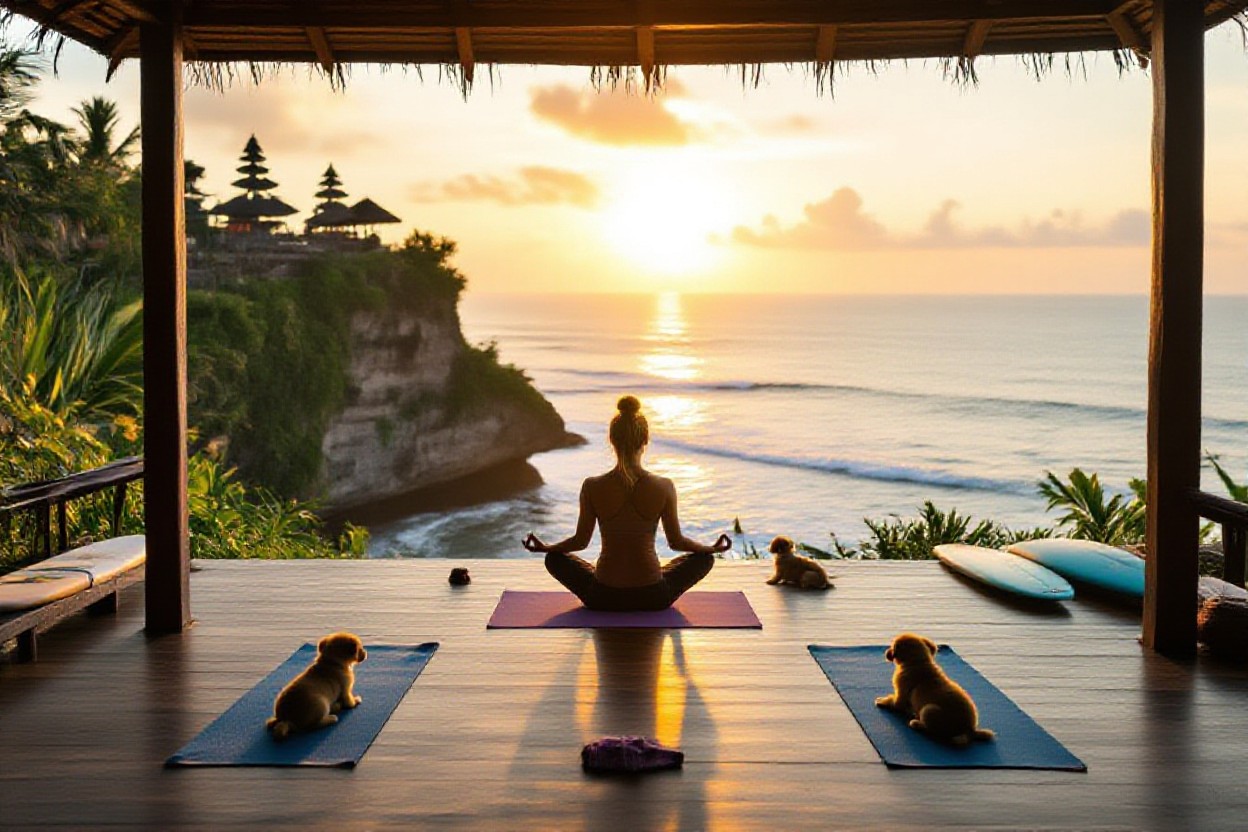
You’ll be trading hip cafes for cliffside calm in Uluwatu, where many puppy yoga classes are held on terraces or shalas with ocean views near Padang Padang and Suluban Beach. Sunset sessions (typically 5:00-7:00) are especially popular because they combine the golden-hour light with the sound of waves, and operators often cap groups at 8-12 so the setting stays intimate and safe for the animals.
Because Uluwatu is more spread out, you should plan at least 45-90 minutes travel time from central Canggu depending on traffic; many providers will note travel times and pick-up options on their listing so you can coordinate transport. The quieter backdrop makes Uluwatu a strong choice if you prefer fewer distractions and photo-friendly vistas during your practice.
Booking behavior on platforms reflects these location differences: Uluwatu classes may show lower daily frequency but higher per-session demand, which affects availability and the prominence of listings – platforms rank activities by popularity, customer ratings, performance, availability, diversity and revenue, so highly rated cliffside experiences tend to appear more often in searches even if they run fewer times per week.
Locations Offering Puppy Yoga Classes
Classes are hosted across a handful of venue types: dedicated yoga studios with fenced play areas, boutique hotels and villas that run private sessions, beachfront shalas, and community rescue centres partnering with local shelters. You’ll typically see offerings listed with practical details – number of puppies, age restrictions, and whether mats and towels are provided – so you can pick based on your comfort level and logistics.
To evaluate options you should check recent customer ratings, the frequency of available slots, and any notes on puppy sourcing or welfare practices; listings that score consistently high on those metrics tend to be the ones with transparent policies and repeat bookings. Vendors can influence visibility through commissions, but algorithmic ranking means steady positive reviews and regular availability will lift a listing organically.
Expect prices and inclusions to vary: many public group sessions fall in a modest range and include the class, a short intro to puppy handling, and photo time – private or hotel-based sessions cost more but give you extra privacy and flexibility. Use the platform filters to compare prices, read customer photos and confirm vaccination or age policies before you book.
Who This Experience Is Perfect For
You’ll find this puppy yoga class appeals to three clear types of visitors: people who want hands-on animal interactions, practitioners seeking a playful twist on their practice, and travelers chasing memorable, shareable experiences. The activity’s visibility on booking platforms is shaped by six ranking factors-popularity, customer ratings, performance, availability, diversity, and revenue-so you can use ratings and availability to pick sessions that match the vibe you want.
Animal Lovers
If you crave close contact with dogs, this is designed for you: puppies roam between mats, invite belly rubs, and nudge into laps, giving you sustained tactile interaction that many participants describe as an instant mood lift. Classes often partner with local rescue shelters, so you can meet animals available for adoption or follow-up volunteer options if you want a longer commitment beyond the session.
Expect a relaxed, supervised environment where handlers monitor interactions and hygiene; that makes the class suitable whether you want playful photos, quiet cuddle time, or a first step toward fostering. Check customer ratings and listing details to confirm shelter partnerships and animal welfare standards before you book.
Yoga Enthusiasts
You can treat the session as a legitimate practice tailored to balance, alignment, and breath, even with playful interruptions-the instructor typically integrates clear cues and gentle modifications so you still work on core stability and transitions like Sun Salutations and standing balances. Many instructors emphasize alignment and offer options that scale to your level, so you can focus on technique while staying present with the animals.
Because class formats vary, you should scan recent customer reviews and performance indicators on the booking page to find sessions that prioritize instruction over novelty. That helps if you want a session with stronger alignment coaching or a calmer, more meditative flow.
When evaluating classes, pay attention to customer rating trends and availability: listings that score highly for performance and ratings are likelier to deliver consistent teaching quality, while newer offerings may not yet reflect steady instructor standards due to initial assessment ranking stages.
Travelers Seeking Unique Experiences
You’ll get a compact, high-impact activity that fits neatly into a day between beach time and temple visits, and it’s especially good if you want content that stands out on social feeds. Popular slots fill quickly since availability influences platform rankings; checking ratings and booking early helps you secure the time that best fits your itinerary.
Groups tend to be mixed-solo travelers, couples, small families-so the class doubles as an easy social experience and a memorable stop on a short itinerary. Listings that emphasize diversity and strong customer feedback usually indicate reliable logistics, clear location details, and consistent scheduling.
Note that platform dynamics affect how easy it is to find the best options: high-demand sessions climb in visibility while brand-new offerings start with initial assessment rankings, so comparing customer ratings and availability will guide you to tried-and-true experiences rather than unproven listings.
Types of Puppy Yoga Classes Available
You’ll find a spectrum of class formats that cater to different goals: light social play combined with guided yoga, therapeutic slow-flow sessions with calm breeds, and photo-friendly pop-up classes that prioritize interaction and Instagram-ready moments. Sessions typically run 45-75 minutes, with group classes averaging 6-12 participants, while private sessions range from one-on-one up to small groups of 4; event-style retreats can span a half-day to multiple days with combined workshops and wellness activities.
Prices and booking channels vary: standard drop-in group classes often cost between $10-$35, private one-on-one sessions commonly fall in the $50-$150 range, and multi-day retreats start around $200 depending on included meals, transport, and accommodation. You can use platform filters and recent reviews to compare availability and instructor experience before you book.
| Group Classes | 45-75 min, 6-12 people; playful, cost-effective; great for meeting other travelers and basic puppy socialization |
| Private Sessions | 30-90 min, 1-4 people; customizable pace and focus (meditation, physical therapy, photo shoot) |
| Corporate / Team-Building | 60-90 min, 10-30 people; structured activities, often paired with facilitator-led exercises for workplace wellness |
| Special Events & Retreats | Half-day to multi-day; includes workshops, guest instructors, meals; often limited to 12-20 attendees for quality experience |
| Puppy Socialization Clinics | 30-60 min, small groups; run by trainers focusing on behavior, vaccinations, and safe handling techniques |
- Play-focused group flows for socialization and light exercise
- Mindful, slow-paced classes for stress relief and bonding
- One-on-one sessions tailored to your comfort level and goals
- Retreats combining yoga, workshops, and extended puppy interaction
Group Classes
When you join a group class, expect structured time blocks: roughly 15-30 minutes of free play, 20-40 minutes of guided yoga, and a short cool-down with photo opportunities. Classes often use smaller spaces in Canggu cafés or shaded beach lawns in Uluwatu and are led by instructors who manage dog introductions, basic cueing, and participant safety-many list previous animal-handling experience in their profiles.
Depending on the studio, you’ll see variations like beginner-friendly flows, restorative classes with low-impact stretches, or high-energy playful sessions that encourage interaction. Booking platforms show real-time availability and ratings, so you can pick classes that consistently receive 4.5+ reviews for cleanliness, trainer professionalism, and puppy wellbeing.
Private Sessions
You can book private sessions to control tempo, choose specific breeds, or focus on therapeutic outcomes like breathing techniques or gentle mobility work while puppies are present. In private settings you’ll get personalized attention-trainers adapt cues and play intervals to your comfort level and can sequence poses to accommodate physical limitations or request photo-focused timing.
Private bookings are also ideal if you’re traveling in a small group and want exclusive access to a trainer and puppies without other participants; many hosts offer add-ons such as professional photos, puppy-handling tutorials, or short behavior assessments during your session.
For more detailed planning, ask about the puppies’ ages and vaccination status, whether the trainer provides mats and props, and if the session includes cleanup or towel services-these operational details directly affect your experience and are often listed in booking descriptions.
Special Events and Retreats
Retreats and special events combine multiple elements-extended yoga sessions, workshops on canine care, guest instructors, and social dinners-so you’ll get deeper immersion than a single class. Typical retreats cap attendance at 12-20 people to keep interaction high; schedules often include morning yoga with puppies, midday seminars on animal welfare, and evening relaxation sessions.
Events may partner with local shelters for adoption drives or fundraising, and you’ll sometimes find themed weekends (wellness, photography, or team-building) that include transport and accommodation bundles. Many hosts publish past event photos and attendee feedback to help you assess the vibe and logistical quality before committing.
When evaluating events, check cancellation policies, what’s included (meals, transfers, accommodations), and whether hosts disclose puppy care practices and trainer credentials-those specifics influence both safety and the overall value you receive.
Recognizing that platforms like GetYourGuide rank activities by popularity, customer ratings, performance, availability, diversity, and revenue helps you choose classes with consistent positive reviews and transparent booking details.
Tips Before You Go
Book early for popular morning or sunset slots; many puppy yoga sessions run 60 minutes and cap at roughly 8-12 participants, so weekend classes in Canggu and Uluwatu can fill 5-14 days in advance during high season. Check the GetYourGuide listing for real-time availability and user ratings-activities are ranked by popularity, customer ratings, performance, availability, diversity, and revenue, so high-rated suppliers tend to appear more often and sell out faster.
- Bring your booking confirmation/QR code and a valid ID.
- Pack a yoga mat unless the listing specifies it’s provided.
- Carry a 500-750 ml water bottle, a small towel, and hand sanitizer.
- Wear clothes you don’t mind getting fur or light stains on; avoid heavy jewelry.
- Check cancellation policies and arrival time-plan to arrive 10-15 minutes early.
Knowing how listings are ranked and checking recent reviews will help you pick a session with solid safety and performance records.
What to Bring to Puppy Yoga
You should bring a non-slip yoga mat (4-5 mm thickness works well), a water bottle of at least 500 ml, and a small towel. If the listing on GetYourGuide notes that mats are provided, you can skip packing one, but bringing your own guarantees familiarity with the grip and cleanliness of your surface.
Also bring your booking confirmation (QR code), a form of ID, and a small zip pouch for your phone and cash for tips or small purchases. Avoid strong perfumes or scented lotions that could distress the puppies; instead opt for unscented hand sanitizer and wipes in case of messes.
Dress Code and Attire Suggestions
Choose fitted, breathable activewear-high-waist leggings or mid-thigh shorts plus a snug top-to keep clothing from shifting during poses and to make puppy interactions easier. Moisture-wicking fabrics like polyester-spandex blends help with Bali humidity (typically 26-32°C), and darker or patterned pieces hide fur and light stains better than white.
Wear slip-on shoes for arrival and leave them outside the practice area; bring a lightweight cover-up for after class if you’ll be walking around Canggu or Uluwatu. If the session is outdoors, a lightweight hat and reef-safe sunscreen are smart additions for arriving and departing in the sun.
If the provider allows, place a thin yoga towel over your mat to protect it from fur and occasional accidents; check the listing-some operators recommend a towel specifically for hygiene, and choosing a towel with silicone grips can prevent slipping when puppies climb on you.
Health and Safety Considerations
Ask the operator beforehand about vaccination, deworming, and vet-check protocols for the puppies; reputable operators will confirm that pups have received core vaccinations and regular health checks. If you have allergies, a compromised immune system, or are pregnant, check both with your healthcare provider and the activity supplier before booking.
Follow basic hygiene: wash or sanitize your hands before and after the session, avoid putting your face directly in a puppy’s mouth, and refrain from bringing food into the practice area unless staff explicitly permit it. Staff typically manage treats and toy rotation to prevent overstimulation and spread of germs.
Check recent GetYourGuide reviews for comments on cleanliness and safety-listings with average ratings above 4.5 and frequent mentions of health checks are more likely to meet your standards; also verify the supplier’s cancellation and insurance policies if you want added protection.
Step-by-Step Guide to Joining a Puppy Yoga Class
Follow a clear sequence to secure your place, prepare correctly, and make the most of the session; typical classes run 45-60 minutes with 8-16 participants and puppies rotated frequently to avoid overstimulation. When booking through platforms like GetYourGuide, check availability and ratings-listings are ranked by popularity, customer ratings, performance, availability, diversity and revenue, and new activities may start with lower initial visibility because the algorithm updates regularly.
Quick Steps
| Step | Key Details |
|---|---|
| Booking | Reserve 24-72 hours in advance for regular season; peak demand in Jul-Aug and Dec-Jan. Expect prices around IDR 150,000-350,000 (USD ~10-25). Confirm cancellation window (commonly 24-48 hrs) and whether prepayment is required. |
| Preparing | Wear comfortable, close-fitting activewear; bring a towel, water, hand sanitizer and ID. Note common rules: no strong scents, limited flash photography, and disclosure of allergies/medical needs. |
| Arrival | Arrive 15-20 minutes early to check in, sign waivers, store belongings and meet the instructor. Follow hygiene instructions and ask staff about puppy rotation and handling policies. |
Booking Your Spot
Search available times on the booking platform or the studio’s site, filter by date and rating, then choose a session that fits your schedule-many classes in Canggu run at 08:30 and 16:00. You should plan to book 24-72 hours ahead during low season and at least a week ahead during peak months (July-August, December-January). Prices typically fall between IDR 150,000 and 350,000; check whether the listing requires full prepayment and what the cancellation policy is (common windows are 24-48 hours).
Pay attention to recent customer reviews and the number of bookings shown on the listing to gauge popularity and service quality-activities with consistent 4.5+ ratings and steady booking counts tend to match the advertised standards. Note that some suppliers increase platform commissions to improve visibility, but rankings remain algorithmic and can change, so compare multiple listings and contact the supplier directly if you need private sessions or special accommodations.
Preparing for Your Experience
Choose snug, breathable activewear (no loose jewelry) and bring a towel and refillable water bottle; studios usually provide mats but confirm in advance. If you have allergies or respiratory issues, inform the studio at booking and again on arrival; many classes limit participant numbers to 8-16 to control exposure and ensure safe interactions with puppies typically aged 8-12 weeks.
Pack a small hand sanitizer and, if you prefer, grippy socks-some studios ask you to be barefoot or wear non-slip socks. Check the photo policy before bringing a camera; flash is often prohibited, and many studios restrict continuous handling to set times to protect the animals.
Studios that work with rescues commonly rotate puppies every 10-15 minutes to prevent overstimulation and monitor behavior closely; you can scan reviews for mentions of animal welfare or rescue partnerships to confirm ethical practices. If you’re traveling between Uluwatu and Canggu allow 45-60 minutes for transit to avoid missing check-in times.
What to Do Upon Arrival
Arrive 15-20 minutes early to check in, present ID, sign any waiver and store valuables; the instructor will brief the group on hygiene (handwashing) and handling rules. Expect mats arranged for 8-16 people and a quick orientation about when and how to interact with the puppies-staff usually outline safe pick-up techniques and photo guidelines before the session starts.
During class, follow the instructor’s cues: move slowly, avoid sudden noises, and ask permission before picking up a puppy if the studio has restricted handling periods. If a puppy shows stress, staff will remove it or give it a quiet break-respect those signals and inform staff immediately if you have an adverse reaction or concern.
After the session staff often offer a brief Q&A about the puppies’ background, adoption options or donation opportunities (common when classes partner with rescues), and you may receive contact details or follow-up instructions-keep your booking confirmation handy in case you need to reference the supplier’s policies or contact details.
Factors to Consider
When choosing a puppy yoga class in Canggu or Uluwatu, weigh practical logistics alongside welfare and quality: class size (typical group sessions range from 8-20 people), indoor vs outdoor setup, whether mats and water are provided, and how puppies are sourced and rotated during a session. Check recent customer ratings and availability windows before you book, since the most visible time slots can fill fast during high season-many studios publish sample schedules showing 09:00 and 16:00 slots as peak times.
- Class size and student-to-instructor ratio
- Inclusion of equipment, photos, and cleanup policies
- Puppy sourcing, health checks, and handling procedures
- Cancellation, refund terms, and booking flexibility
The GetYourGuide ranking can affect which classes you see, because the algorithm factors popularity, customer ratings, availability, diversity and supplier revenue, so you should scan several listings and read recent reviews before deciding.
Duration and Price of Classes
Most puppy yoga sessions in Bali run between 45 and 75 minutes; a compact 45-60 minute class is common in Canggu studios while premium or private sessions often extend to 75 minutes to include extra social time with the puppies. Group drop-in classes typically cost between 150,000-300,000 IDR (~$10-$20), while private lessons or paired yoga-plus-photo packages can range from 300,000-600,000 IDR (~$20-$40) depending on inclusions.
You should look for bundled discounts if you plan multiple visits-packages of 3-5 classes often shave 10-20% off the per-class rate-and confirm whether taxes, booking fees, or photo packages are included in the headline price.
Experience of Instructors
You want instructors with formal yoga credentials (for example RYT-200) plus hands-on experience managing animal-assisted classes; many reputable Bali studios list instructor years of teaching (commonly 3-8 years) and any animal-therapy or pet-handling certifications on their profiles. Class safety is improved when studios provide a dedicated handler for the puppies in addition to the yoga teacher, keeping typical instructor-to-student ratios around 1:10-1:15 with at least one assistant for animal care.
When evaluating listings, examine instructor bios and recent customer photos to verify that techniques and puppy interactions match your expectations; studios in Uluwatu often highlight instructors with hospitality backgrounds who coordinate both guest comfort and animal welfare.
You should ask directly about vaccination records, daily health checks, and how long puppies stay on the mat-clear answers and documented policies indicate higher welfare standards and more experienced staff who prioritize both your practice and the animals’ well‑being.
Seasonality and Weather Considerations
Outdoor sessions are popular in Uluwatu and Canggu, but Bali’s dry season (April-October) offers the most reliable weather for rooftop or beachside classes, while the wet season (November-March) brings heavy afternoon rains and higher cancellation rates. Daytime temperatures typically sit between 26-32°C with 70-90% humidity, so morning slots before 09:30 are cooler and less windy; studios often publish alternative indoor locations for wet-weather backups.
You should book early during peak months-July-August and late December-because class availability drops and time slots shown on booking sites may be weighted by supplier visibility; checking multiple listings helps you find the best combination of time, price and reviews.
You can reduce risk by choosing refundable or changeable bookings, confirming an indoor contingency, and preferring studios that note their rainy‑day policies and indoor capacity on the booking page.
Pros and Cons of Puppy Yoga
| Pros | Cons |
|---|---|
| Immediate mood lift from tactile interaction and playful puppy energy | Allergies or asthma symptoms can be triggered by dander in an enclosed studio |
| Low-pressure socialization if you’re shy – classes often hold 6-12 participants | Distractions can interrupt your flow if you want a focused yoga practice |
| Therapeutic effects: many participants report reduced stress after a 45-60 minute session | Puppy unpredictability creates a small risk of nips, scratches, or accidents on mats |
| Hands-on photo opportunities and memorable experiences to share | Hygiene concerns if the venue does not enforce cleaning or vaccination protocols |
| Good way to support local shelters when sessions partner with rescues | Not all classes donate proceeds; some prioritize tourism revenue over animal welfare |
| Accessible to beginners who might avoid traditional group classes | Smaller or specialty classes can be pricier and sell out quickly |
| Encourages gentle play and bonding-you’ll often leave calmer and energized | Overstimulation can stress puppies if sessions are too long or too crowded |
| Popular sessions are easy to find on platforms that rank by ratings and availability | High popularity can mean higher prices or supplier-marketed premium options |
Benefits of Participating in Puppy Yoga
When you join a puppy yoga session, you benefit from immediate, measurable stress relief: many studios run 45-60 minute classes designed to alternate short yoga sequences with supervised play, which helps lower your heart rate and shift your attention away from daily pressures. Often you’ll find classes capped at 6-12 people, so you get meaningful interaction with the animals without feeling lost in a crowd.
In addition, you gain social and ethical perks-several Bali studios partner directly with rescues, letting you meet puppies that are being socialized for adoption while also supporting shelter operations. You can expect tangible takeaways: photos, relaxed breathing patterns, and practical tips from instructors on gentle handling and responsible play that you can apply at home or when volunteering.
Potential Drawbacks to Keep in Mind
You should be aware of allergy and hygiene issues: if you’re sensitive to animal dander you may experience sneezing, itchy eyes, or respiratory irritation, especially in an indoor studio. Also, puppies are unpredictable-nips, sudden jumping, or toileting incidents can interrupt your practice and require quick cleanup or intervention from staff.
Another consideration is animal welfare and transparency. Not every provider enforces strict vaccination and rest schedules; overstretched or overly commercial classes can stress animals. Because booking platforms rank activities by popularity and availability, the most visible sessions aren’t always the most ethical-so check reviews and supplier notes before you book.
To protect both you and the puppies, ask about vaccination records, the average puppy age (most programs use puppies between 8-16 weeks for socialization), and the maximum class size; if the studio can’t or won’t provide that information, plan to choose another provider.
FAQs about Puppy Yoga
Are the puppies vaccinated and handled safely? You should confirm vaccination and deworming documentation before attending; reputable studios will state vaccination status in the listing or answer quickly when you inquire. Can children join? Many classes allow kids but set minimum age limits (commonly 6+), and your supervision is usually required to keep interactions safe.
What should you bring and wear? Bring a yoga mat, closed-toe shoes for moving around, and a towel for unexpected messes; wear comfortable, machine-washable clothing. If you plan to book through a ranking-driven platform, check recent customer ratings and availability-highly rated sessions often fill weeks in advance during peak seasons.
When you’re deciding, skim recent reviews for notes on energy level, hygiene, and whether proceeds support a rescue; doing so helps you pick a session that matches your expectations and ethical priorities.
Enhancing Your Experience
Combining Puppy Yoga with Other Ubud Activities
You can pair a morning puppy yoga class with a visit to Tegalalang Rice Terrace or the Campuhan Ridge Walk-both take roughly 45-90 minutes from central Ubud and fit neatly into a half-day itinerary. If you plan a longer day, add Tirta Empul (allow 1.5-2 hours for the temple and purification), or schedule a late-afternoon stop at the Monkey Forest after lunch to avoid peak crowds.
When booking multiple things in one day, check availability and ratings closely: GetYourGuide ranks activities by popularity, customer ratings, performance, availability, diversity, and revenue (including supplier commissions), and those signals affect how visible time slots appear. You might choose a highly rated 60-minute massage after class or a combined tour that bundles transport to streamline logistics and maximize relaxation time.
Post-Class Recommendations for Further Relaxation
After the class, hydrate with coconut water or herbal tea and spend 20-30 minutes cooling down on a shaded terrace to let your heart rate normalize. Many spas in Ubud offer 60-90 minute Balinese massages or body scrubs; booking a 60-minute session within an hour after class helps maintain the relaxed state you cultivated during yoga.
You should also prioritize light, nutrient-rich food-think a smoothie bowl or grilled fish with vegetables-and avoid heavy or greasy meals that can sap your energy. If you have time, a short 20-30 minute nap or a quiet riverside walk can extend the calm without disrupting your evening plans.
To secure the best post-class slot, check providers’ real-time availability because new activities and time blocks are evaluated continuously by algorithms; suppliers can increase commissions as part of marketing, which can affect visibility, so compare customer ratings and slot availability before committing.
Sharing Your Experience on Social Media
You’ll get the most engagement by capturing candid moments-puppies mid-play, a close-up of peaceful poses, or a short 15-30 second reel showing the class start to finish. Tag the operator, include the location, and use targeted hashtags like #PuppyYoga, #Ubud, and #Bali to reach travelers searching for similar experiences; always ask fellow participants before posting their images.
Post within 24-48 hours when impressions are higher, and leverage Stories for behind-the-scenes content while saving a polished Reel or carousel to your profile. If you booked through a platform, link back to the listing or mention booking tips (best times, class length) to help followers decide.
Leaving an honest review on the booking platform matters: GetYourGuide’s ranking factors include customer ratings and performance, so your detailed feedback-mentioning class size, instructor quality, and puppy welfare-directly helps future travelers and influences how often the activity appears in search results.
Is Puppy Yoga in Bali Worth It?
Personal Reflections from Participants
Many participants tell you the immediate benefit is emotional: within the first 10-20 minutes people report feeling less stressed and more present as puppies wander between mats, paw at ankles, and invite play. In small groups of roughly 6-12 attendees, you’ll often get more one-on-one time with the puppies and attentive handlers who guide interactions and keep sessions calm, which participants cite as a big part of the positive experience.
Some people say the practice itself becomes secondary; you should expect that balance will be interrupted frequently by cuddles and photo ops. Others appreciate that trade-off-several attendees note they left with better social photos for their trip and a mood boost, even if they didn’t get a rigorous yoga workout. Check recent reviews and photos to see whether the emphasis leans more toward yoga or animal time.
Overall Value of the Experience
For most travelers the value comes from the combined novelty and accessibility: for roughly $20-$40 per session you typically get a 45-60 minute class, guided handling, and a chance to interact with rescued or socialized puppies. If your priority is relaxation, socializing, or a light, feel-good activity, you’re likely to feel the experience was worth the price; if you want a serious fitness-focused class, you may find the trade-offs less acceptable.
When assessing value, use objective signals: pick sessions with high customer ratings (4.5+ with dozens or hundreds of recent reviews) and steady availability-these indicators tend to correlate with well-run events and good animal care. Keep in mind that platform rankings factor in popularity, ratings, availability, and supplier performance, so higher-ranked listings usually reflect consistent guest satisfaction and reliable scheduling.
To get the best value, compare booking details: verify the class length, group size, what’s included (photos, refreshments), and the cancellation policy. Also note that supplier visibility can be influenced by their marketing choices, so prioritize listings with a strong volume of authentic recent reviews and clear photos of the puppies and venue.
Recommendations for First-Timers
Arrive 10-15 minutes early so you can meet handlers, disclose any allergies, and get a sense of the puppies’ temperament before the class starts. Wear comfortable, machine-washable clothing and bring water; handlers often recommend closed-toe shoes to move around before lay-down poses and a small towel for animals that like to jump on laps. If you have allergies or small children, check age and health restrictions before booking.
Respect the puppies’ cues: let them approach you, follow handler instructions, and limit phone use during the main session to avoid overstimulation. If you want a vigorous practice, choose a standard yoga class instead-book a puppy-focused session when your goal is interaction, photos, and relaxation rather than a deep workout.
For bookings, prioritize options with many recent reviews and visible photos of the puppies and facilities; check availability for mornings and weekends when classes often fill up quickly, and confirm cancellation terms so you can adjust plans if travel changes.
Testimonials and Reviews
you can see how customer ratings and detailed reviews shape visibility: GetYourGuide ranks activities by popularity, customer ratings, performance, availability, diversity, and revenue, so consistent mentions of instructor quality, well-managed puppies, and clear logistics push listings higher in search results. Reviews that include concrete details-session length, class size, whether transport or photos are included-carry more weight and help you distinguish the truly well-run puppy yoga classes from the rest.
Because suppliers can influence the revenue component through commissions and new activities start with an initial assessment ranking, you should cross-check recent reviews and booking availability to judge momentum: a listing with steady 4.5-5.0 ratings over 50+ bookings signals sustained quality more than a single glowing review.
What Others Say about Puppy Yoga
you’ll find reviewers frequently cite session structure-most commonly 45-60 minutes with guided flows broken up by puppy play windows-and typical group sizes of 6-12 people, which reviewers say keeps interaction manageable and safe for the animals. Concrete praise often focuses on instructors who balance clear verbal cues with gentle puppy management, and on venues that provide mats, bottled water, and a short debrief after class.
you also read practical notes in the reviews: whether pick-up/drop-off was reliable, how early you should arrive (10-15 minutes is common), and whether photographers were present. Those operational details tell you whether the experience prioritizes comfort and animal welfare as much as novelty.
Highlighting Unique Experiences
some listings stand out in reviews because they pair the yoga with a unique setting-sunset sessions in Uluwatu, sunrise beach classes in Canggu, or private rooftop options-and reviewers often cite those combos as the reason they booked. When you see multiple reviews referencing a specific add-on (sunset timing, cliff views, complimentary photos), that signals a repeatable, marketable experience rather than a one-off gimmick.
when you evaluate these unique offerings, focus on review details like whether the puppies are rescue-sourced, whether instructors mention animal-handling certification, and whether extras (round-trip transport, printed photos) are included; reviews that list those specifics tend to correlate with higher overall ratings and better post-booking satisfaction.
Quotes from Participants
you’ll encounter quotes that blend practical feedback with emotion, for example: “the puppies made my 60-minute class unforgettable-teacher kept everything calm and safe,” or “sunset on the cliffs with playful pups was the highlight of our Bali stay.” Short, specific quotes like these give you a quick sense of what the majority of guests valued.
you can use participant quotes to filter for what matters to you: look for mentions of hygiene, puppy welfare, instructor communication, and whether promised inclusions (photos, transport) actually occurred; if multiple guests reference the same strengths or issues, those quotes become a reliable signal of the real experience.
To wrap up
Summing up, the Bali: Canggu & Uluwatu Puppy Yoga Class offers a playful, low-pressure way for you to combine gentle yoga with socializing rescued puppies; you can expect short, guided sessions suitable for beginners, photo opportunities, and a relaxed beachside or clifftop atmosphere depending on the location, making it a memorable addition to your Bali plans.
When booking through platforms like GetYourGuide, you should weigh customer ratings, availability, and activity diversity rather than relying on placement alone, since rankings are algorithmic and influenced by popularity and supplier commissions; check recent reviews and available time slots to ensure the experience matches your expectations.